Why Handler

A coach that adapts to your dog — not a content library

Three short reads: who Handler is for, how the coaching loop actually works, and why it's different from YouTube, static training apps, and generic AI tools.

Who it's for

Built for thoughtful owners who want a plan, not random advice

Three patterns we hear most.

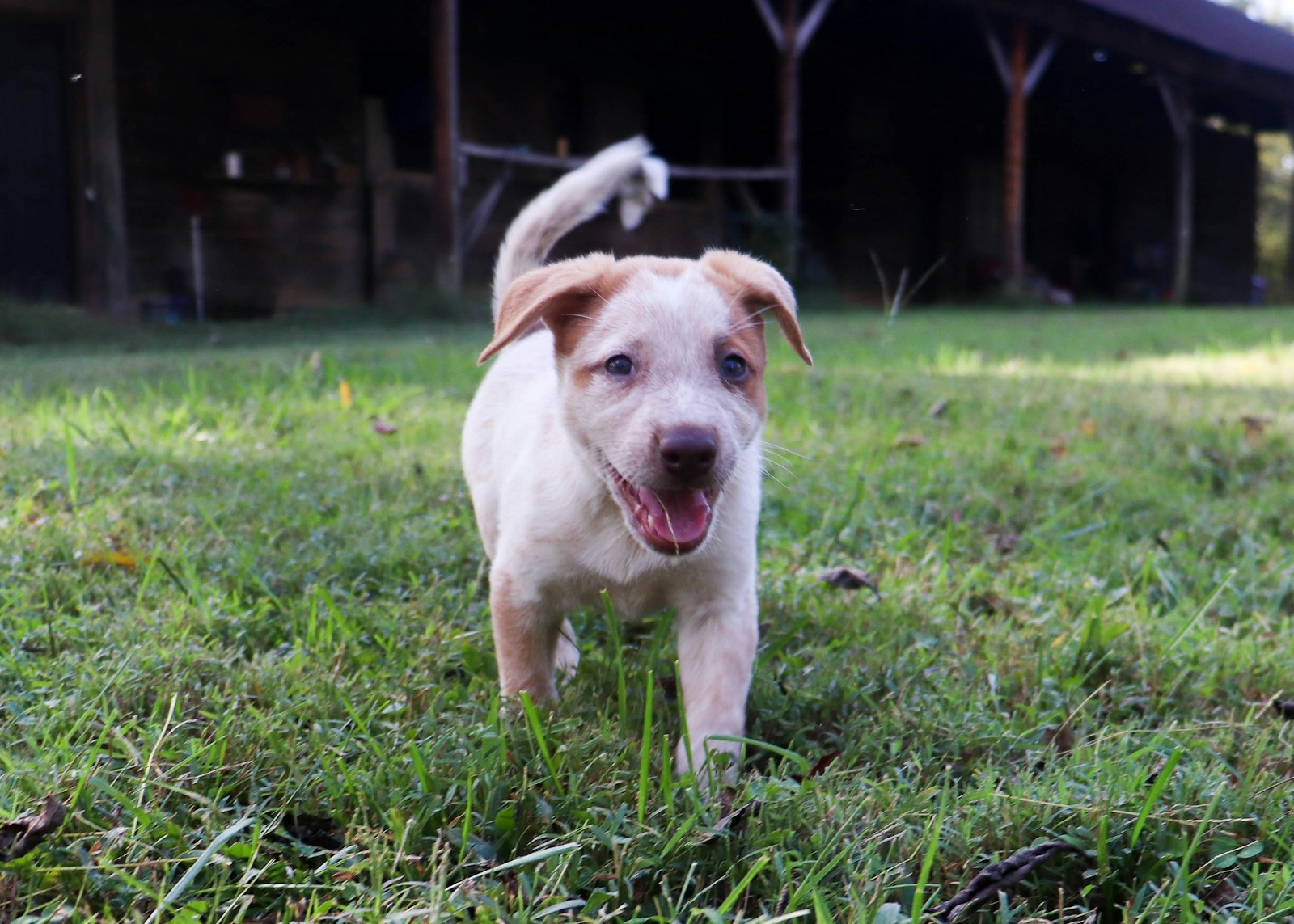
A happy puppy runs on the grass

New puppy parents

I have an eight-week-old Aussie. I want a plan, not a YouTube rabbit hole.

You get a structured starting program (New Puppy Essentials, Crate Foundations) plus 5–15 minute sessions you can actually finish before the puppy zoomies start. The coach picks the next session based on what worked yesterday — so you're not negotiating with yourself about what to practice.
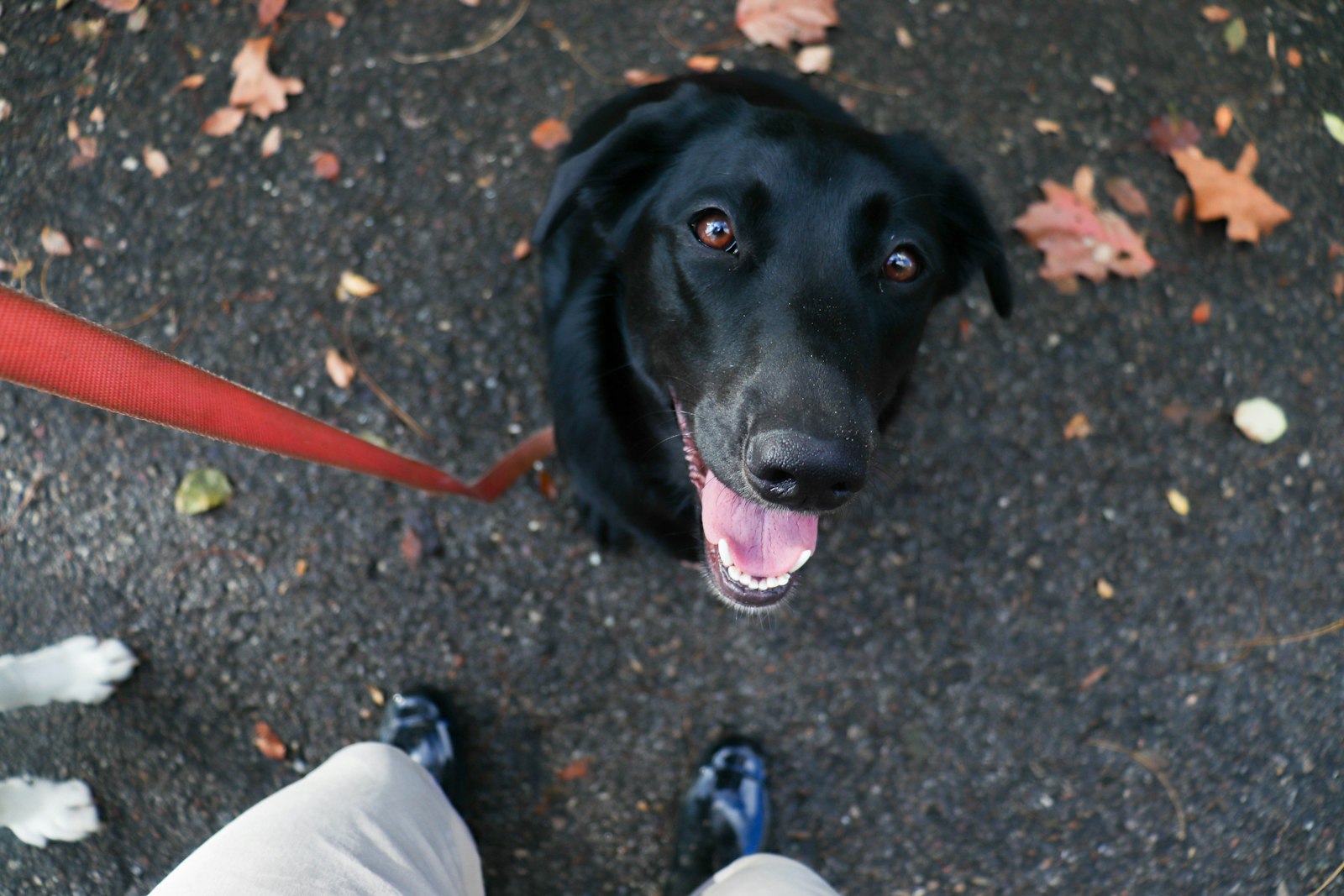
A black dog on a red leash looks up expectantly

Working through a behavior issue

My dog loses it on walks when she sees other dogs. I've tried four trainers' YouTube videos.

You get focused programs for the common hard problems — leash reactivity, recall, leave-it, separation, resource guarding. Each session names what to do AND what to watch for. When you're stuck mid-session, the coach knows the dog's history and walks you through a focus exercise on the spot.

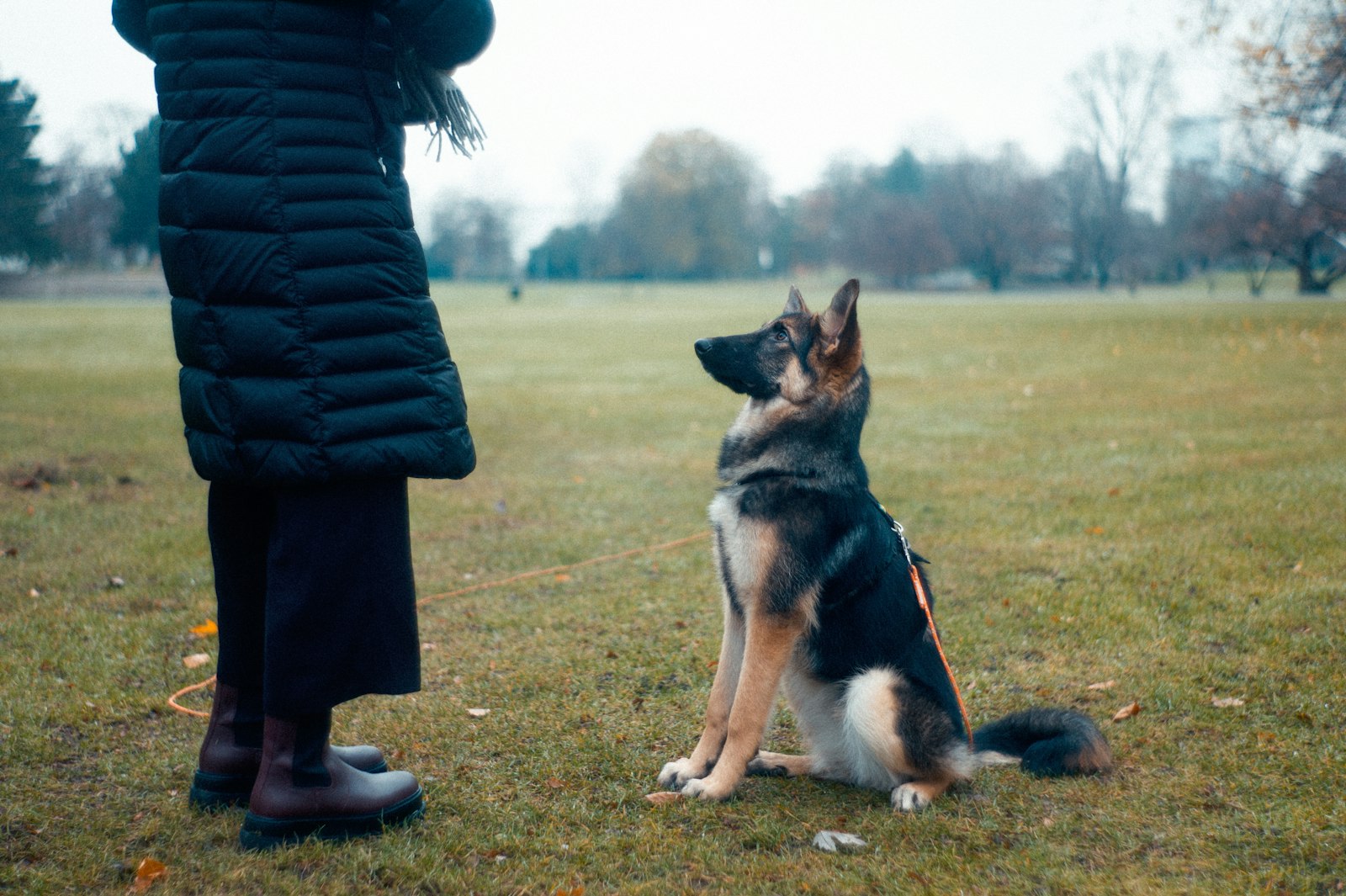
Person in black jacket standing on a green grass field with a dog during a sit-stay

Returning trainer, new dog

I've trained dogs before. I want a system that actually adapts to this dog, not a generic curriculum.

You get a coach with state — it tracks per-skill levels, recent success rates, what's stuck, what's improving — and picks the next session accordingly. You can swap or skip skills, set the coach's tone, and see the reasoning on every recommendation. Less hand-holding, more leverage.

How it actually works

Behind a single session

Most AI training products are dressed-up content libraries. The coaching loop below is what actually makes Handler different.

Read state
Pick next move
Coach through it
Learn from it
  1. 1.Read the dog's state

    For each skill the coach knows the level (1–5), recent success rate, sessions since last practice, and any blockers you've logged. None of this comes from a generic skill ladder — it's tracked per-dog from your actual sessions.

  2. 2.Pick the right next thing

    Sessions get assembled around what needs work, what's ready to advance, and what gives your dog an easy win to start. The rationale shows up at the top of the session — “Why today's session” — so you can see the reasoning, not just the result.

  3. 3.Coach you through it

    Step-by-step instructions, what success looks like, what to watch for. Stuck mid-session? Ask the coach in the chat — it already knows what skill you're on, what level, and what you logged last time.

  4. 4.Learn from how it went

    Quick reflection at the end (Too hard / About right / Too easy). The coach updates your dog's state, decides whether to advance, hold, or simplify, and uses that to pick tomorrow's session.

The short version:Handler reasons with state. Most AI training products start fresh on every interaction — same answer for every breed, every owner, every dog. We don't.

Why it's different

How we compare to the alternatives

Plain table, no marketing dance. If you're weighing Handler against something else, this is the honest comparison.

vs

YouTube training videos

They

Hundreds of conflicting answers. No idea which to trust. No memory of what you tried last week.

Handler

One adaptive plan. Sessions that pick up where you left off. The coach knows what worked and what didn't — you don't have to.

vs

Static training apps

They

A library of articles and videos. You pick what to do today; the app doesn't.

Handler

We pick today's session for you, based on yesterday's progress. Skill-level tracking. Real progression, not a content menu.

vs

Generic AI chatbots

They

Forgets your dog the moment you start a new conversation. Same answer for every breed, every problem.

Handler

State-aware. The coach remembers your dog's level, history, blockers. Picks responses that match where you actually are.

vs

A human trainer

They

Expensive. Limited availability. Often doesn't see what happens between sessions.

Handler

Complement, not replace. Most owners don't need weekly trainer visits — they need structure between them. Use both. We surface safety flags when a behaviorist is the right next call.

See it for yourself

About two minutes to onboard. Your first session is ready right after.

Get Started Free

Free during beta · No credit card required